














 Reviews
 My Account
 Contact Us
 Help
Help
Creative Indoor Games for Dogs to Keep Your Pup Entertained
We’ve said it before, and we’ll say it again. A tired dog is a good dog. Most dog breeds come with plenty of energy, especially in their younger years. That’s just one of the many reasons why getting out for a daily walk or a game of fetch can be so important. When pups can burn off their energy, they tend to get into less trouble, and they’re far more likely to be the quiet, cuddly pooch that you want them to be.
But what about cold days or days when the rain just seems endless? The last thing you want is to have to don your raincoat and an umbrella to bring Fido for his walk. And when it’s super cold out, you don’t want your dog to freeze its little paws unnecessarily. It’s on these days that you need other options. That’s why we want to share our favorite indoor games for dogs. So, if you’ve been looking for fun games to play with dogs inside, you’ve come to the right place.
Why Indoor Play for Dogs Matters So Much
Though some dogs are calmer than others, most dogs have energy to burn. And excessive energy (that energy that you just can’t seem to control despite your best efforts) affects 39% of dogs. When dogs don’t have a way to use that energy constructively (like a walk or fetch), it can turn into undesirable behaviors.
This makes bad-weather days really hard. Walking in a torrential rainpour means muddy paws. And some dogs don’t like the rain, even if they want the exercise. And when it’s super cold out, anything more than a quick sprint to the yard to do their business and come back inside can be damaging to delicate paws.
So, what do you do when you can’t get outside to play? You come up with fun things to do with your dog at home. Doing so can help release pent-up energy, calm your dog down, and give you something special to do together. And even better, it's not just a way to release energy and deter bad behavior; it's also a good opportunity for bonding.
What are the Best Training Games for Puppies
It’s true that puppies sleep a lot. To the tune of about 18 to 20 hours. But when they’re not sleeping, they need something to keep them occupied. That’s because puppies are basically furry little tornadoes with tiny attention spans.
One minute they’re learning a command, and the next they’re chewing on a shoelace, chasing a dust bunny, or staring suspiciously at absolutely nothing. Even some of the cutest dog breeds can become tiny troublemakers when boredom kicks in.
The best puppy games are usually short, playful, and reward-based. Think five to ten minutes at a time. Anything longer and your puppy may completely forget what’s happening halfway through the activity. Treats, praise, belly rubs, and excited reactions all help keep training fun rather than feel like homework.
And remember, these games aren’t just about burning energy. They also help puppies learn basic commands, build confidence, and get comfortable listening to you in different situations.
Here are a few fun training games puppies tend to love:
-
Hide treats around the room for a mini hide-and-seek game
-
Practice “find your toy” using favorite stuffed animals
-
Play name recognition games with treats and praise
-
Create mini obstacle courses using couch cushions and blankets
-
Work on sit-and-stay with small rewards
-
Practice recall games by calling your puppy from room to room
Honestly, puppies can get distracted by a falling leaf outside the window, so keeping things light and fun usually works best.
What are the Best Dog Stimulation Games?
Next up, let’s talk about the best games to keep your dog engaged and stimulated. This might sound like a strange concept, but go with us on this for a moment. What happens when you get bored with nothing to do at work? You grow complacent. You stop using your brain. You get tired.
It’s a very similar concept for dogs. Sure, their bodies need activity, and that’s why we need to introduce fun dog games whenever we can, but their minds need activity, too. Here are some games to help keep your dog’s mind sharp (and healthy).
-
Hide treats around your dog's living space for scent-tracking fun
-
Use a muffin tin and tennis balls to create a treat puzzle
-
Roll treats inside an old towel and let your dog sniff them out
-
Try a snuffle mat during snack time
-
Play the “which cup has the treat?” guessing game
-
Freeze treats or peanut butter inside a toy for longer play sessions
-
Rotate toys every few days so they feel new and exciting again
-
Teach simple new tricks like spinning, paw shake, or “touch”
Fun Dog Games to Play with Dogs Inside
We’ve shared some great games to play with your puppy inside, and some great games to keep your dog’s brain stimulated, but we’re not done yet. There are plenty of other tried-and-true games that you and your pet will love.
-
Play hallway fetch with soft toys that won’t knock over your lamp collection
-
Try tug-of-war with a sturdy rope toy for quick bursts of energy
-
Use stairs for supervised up-and-down games with high-energy dogs
-
Blow pet-safe bubbles and watch your dog completely lose its mind chasing them
-
Play indoor fetch using plush toys in smaller spaces or apartments
-
Try “red light, green light” by having your dog freeze when you stop moving
-
Run gentle chase games around couches or kitchen islands
-
Toss treats across the floor for sliding, spinning snack hunts
-
Set up mini agility games using pillows, blankets, or laundry baskets
-
For apartment-friendly fun, teach tricks like spin, paw, or rollover in short sessions
And honestly, after all that running around, don’t be surprised if your dog rewards you with one of the many ways dogs show affection, like leaning against your legs, licking your face, or curling up beside you for a nap.
Your Dog Doesn’t Need Fancy Games
Spending quality time with your pet and keeping them entertained indoors doesn’t require anything fancy. Many of the games we suggested don’t require anything other than the two of you. And chances are that you already have many of the toys needed for the other games, such as a sturdy toy rope, a soft plushy toy, tennis balls, or muffin tins.
So, don’t think you need to get all fancy (though if you want to, by all means please do). Think of these games as opportunities to bond with your pet, stimulate their brain, and bring extra quality to your lives.
Spoil Your Pet After a Fun Day of Play
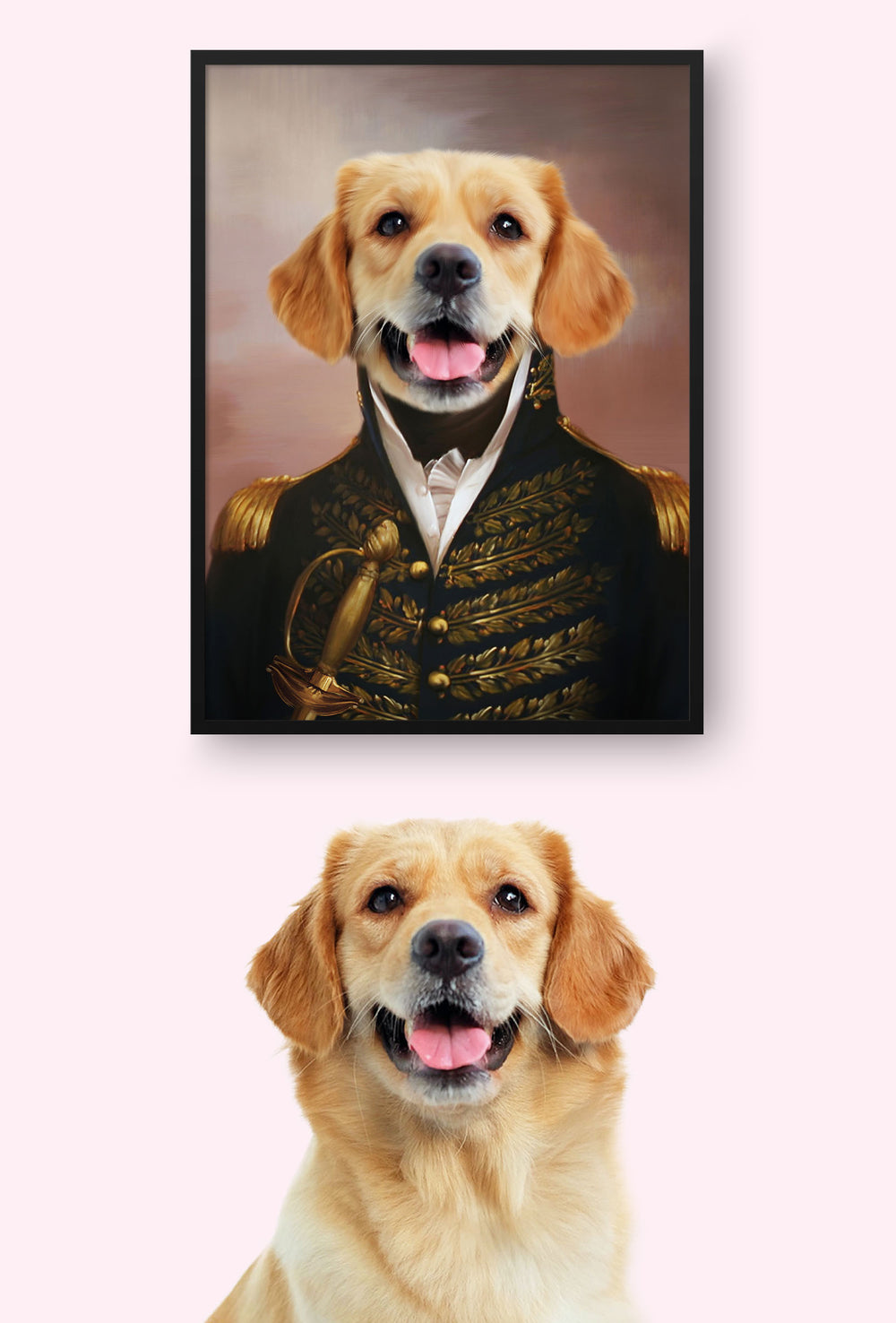
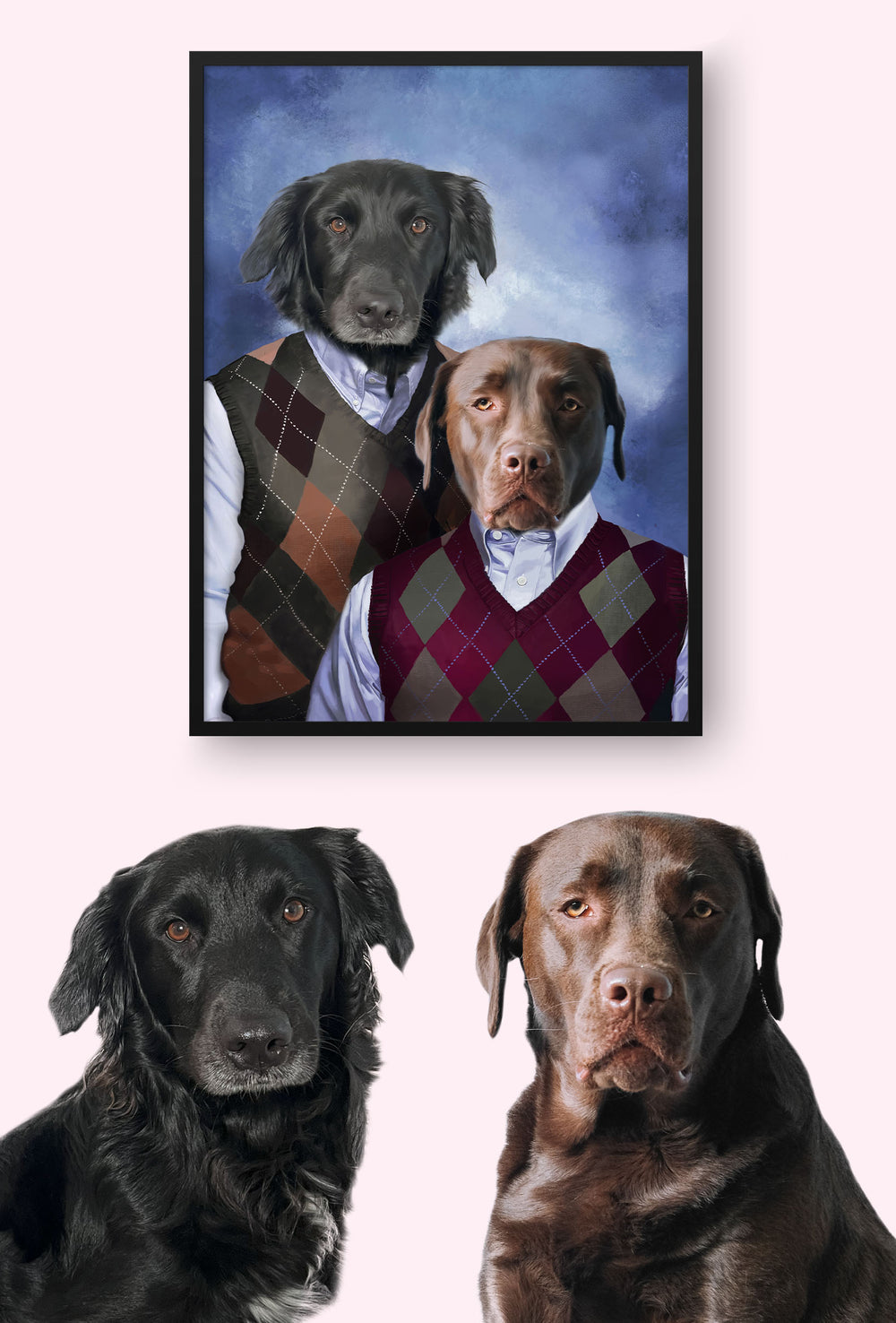
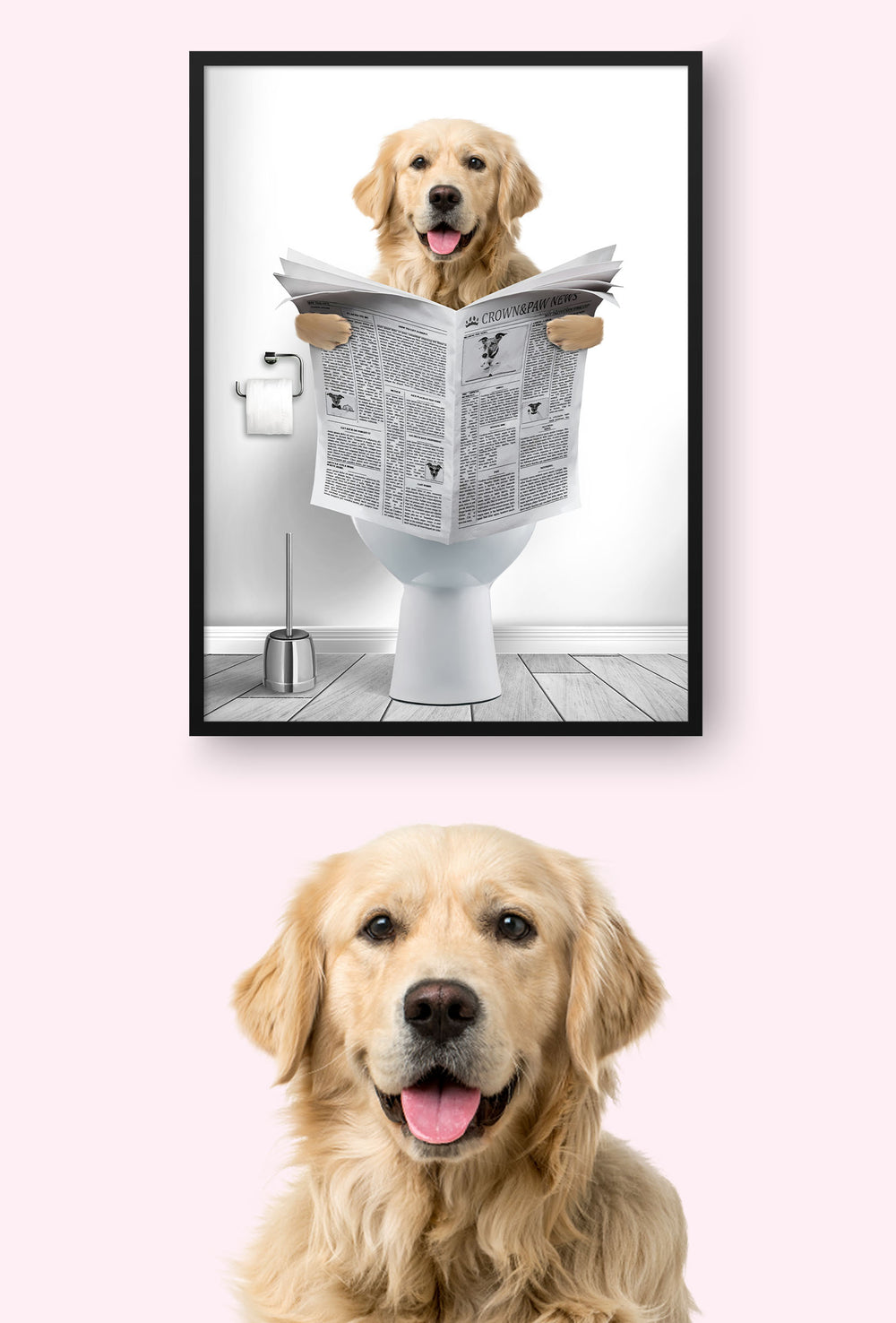
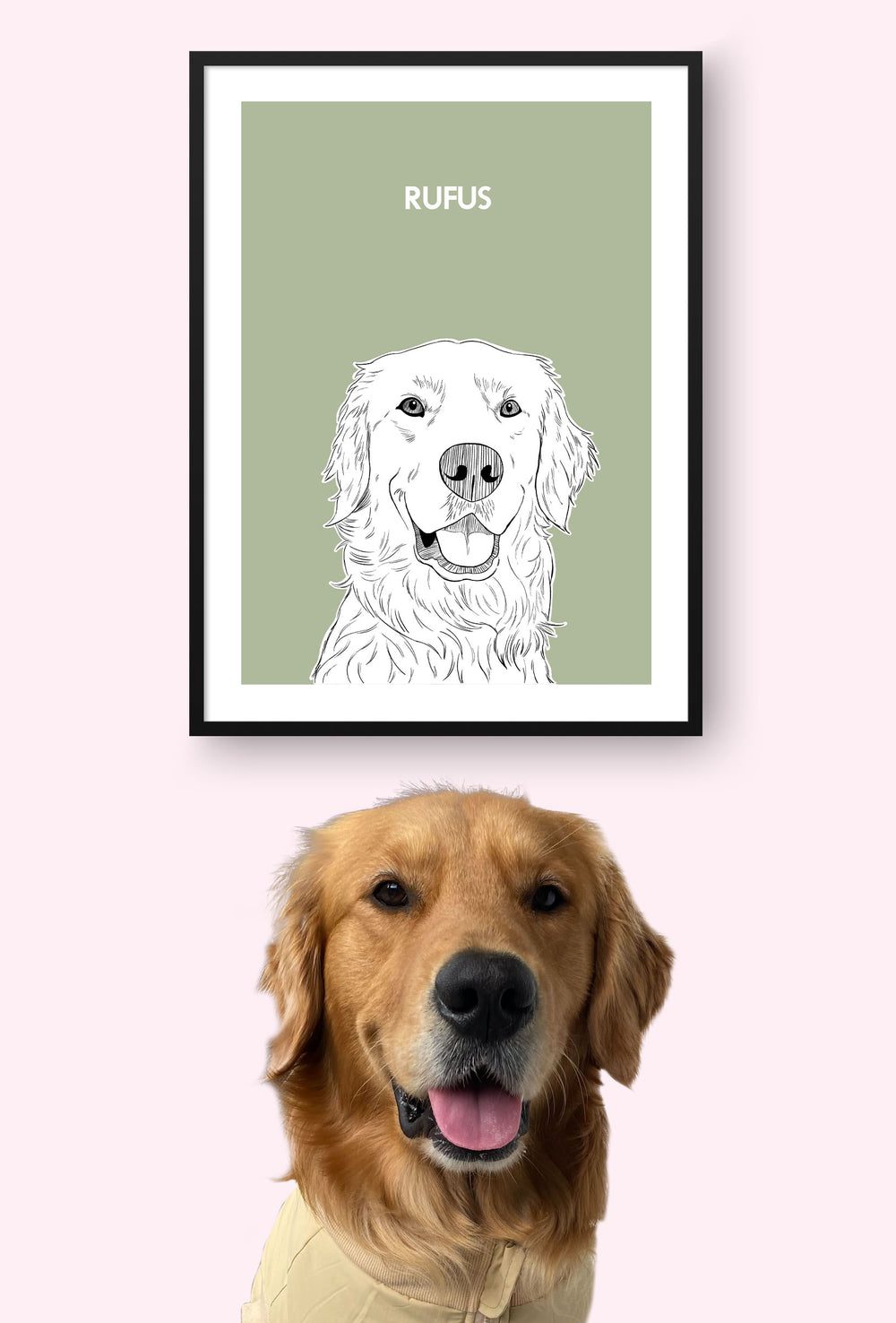
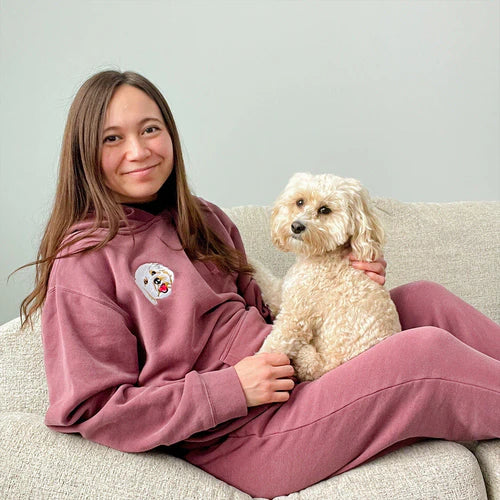
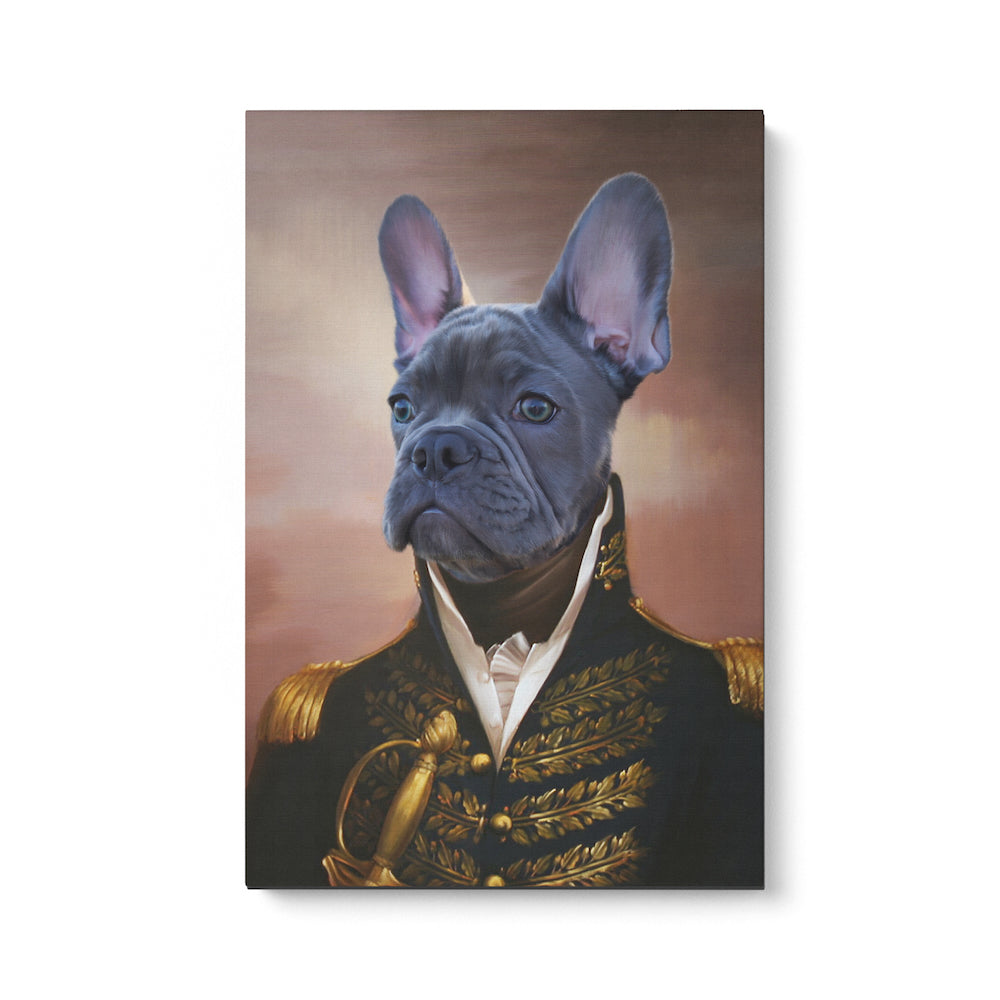
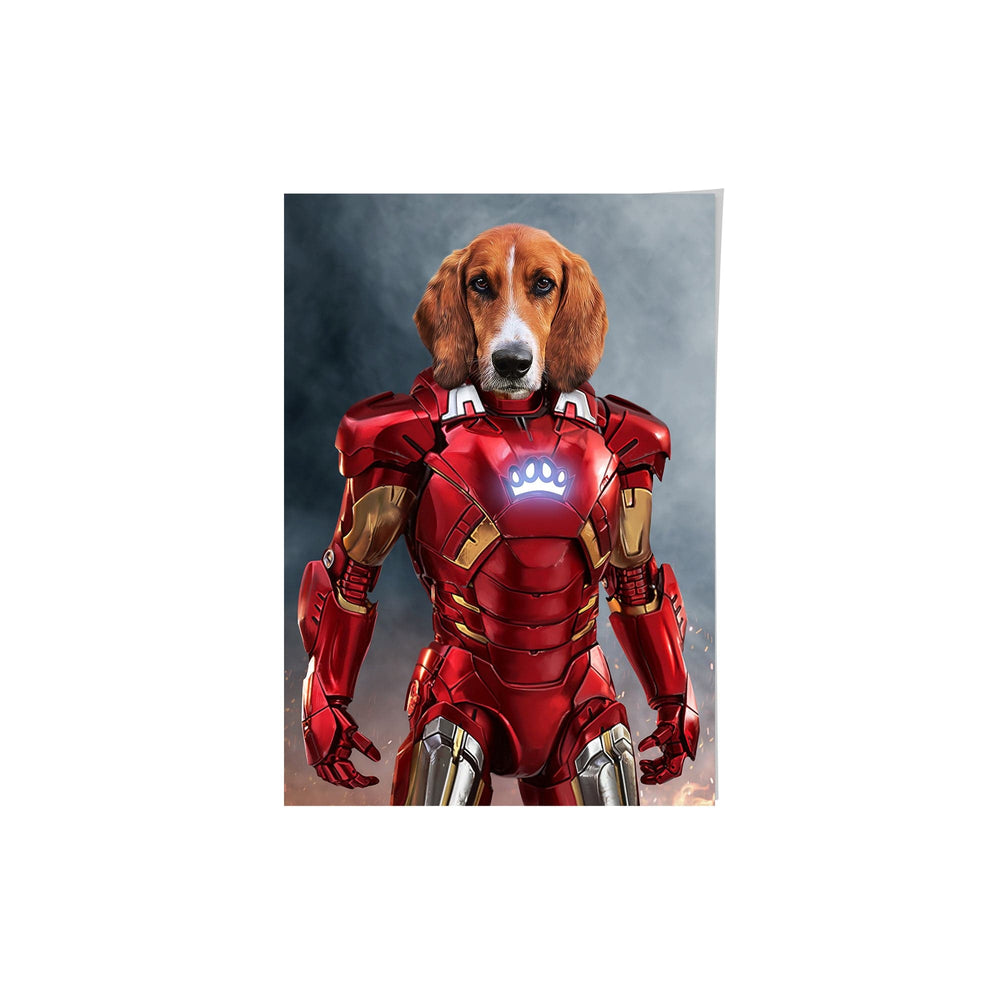
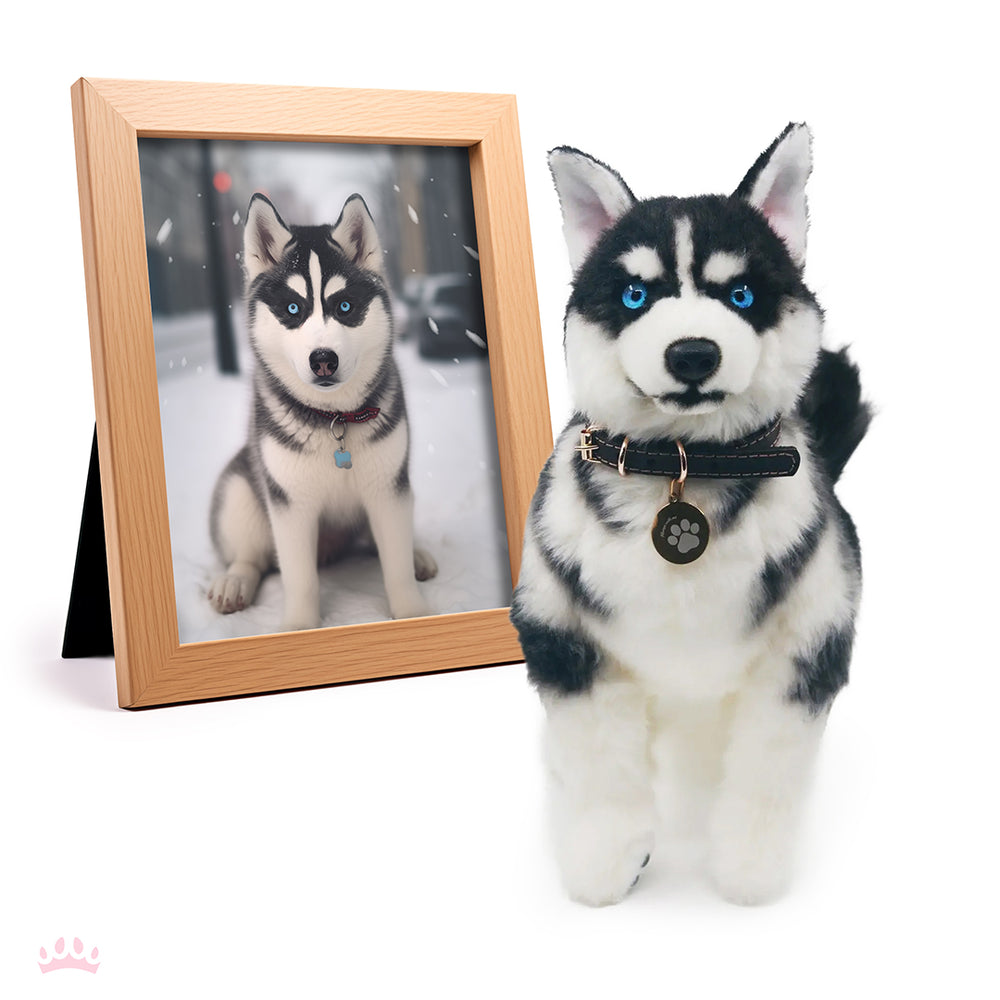
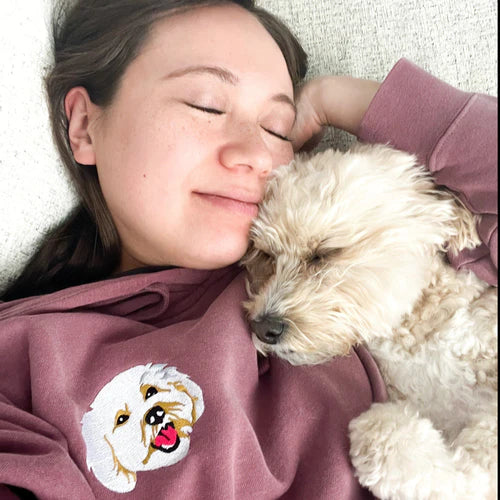
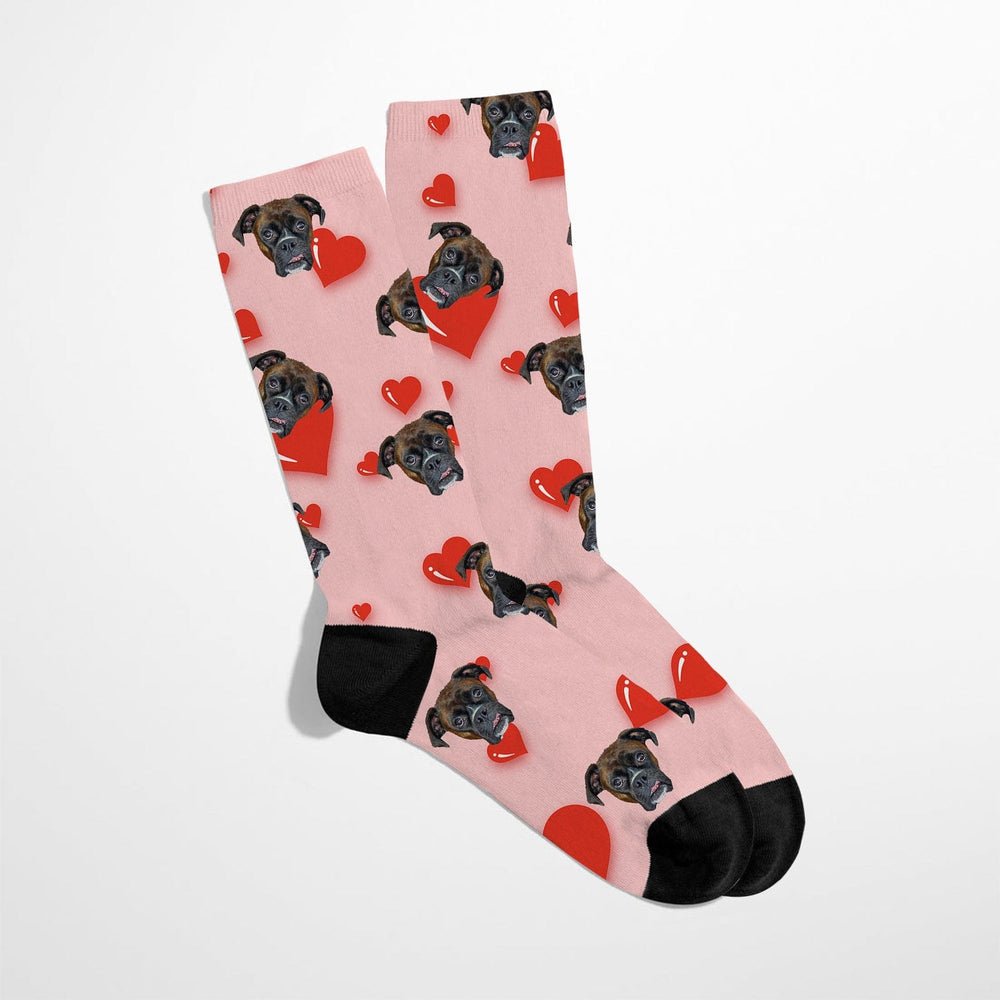
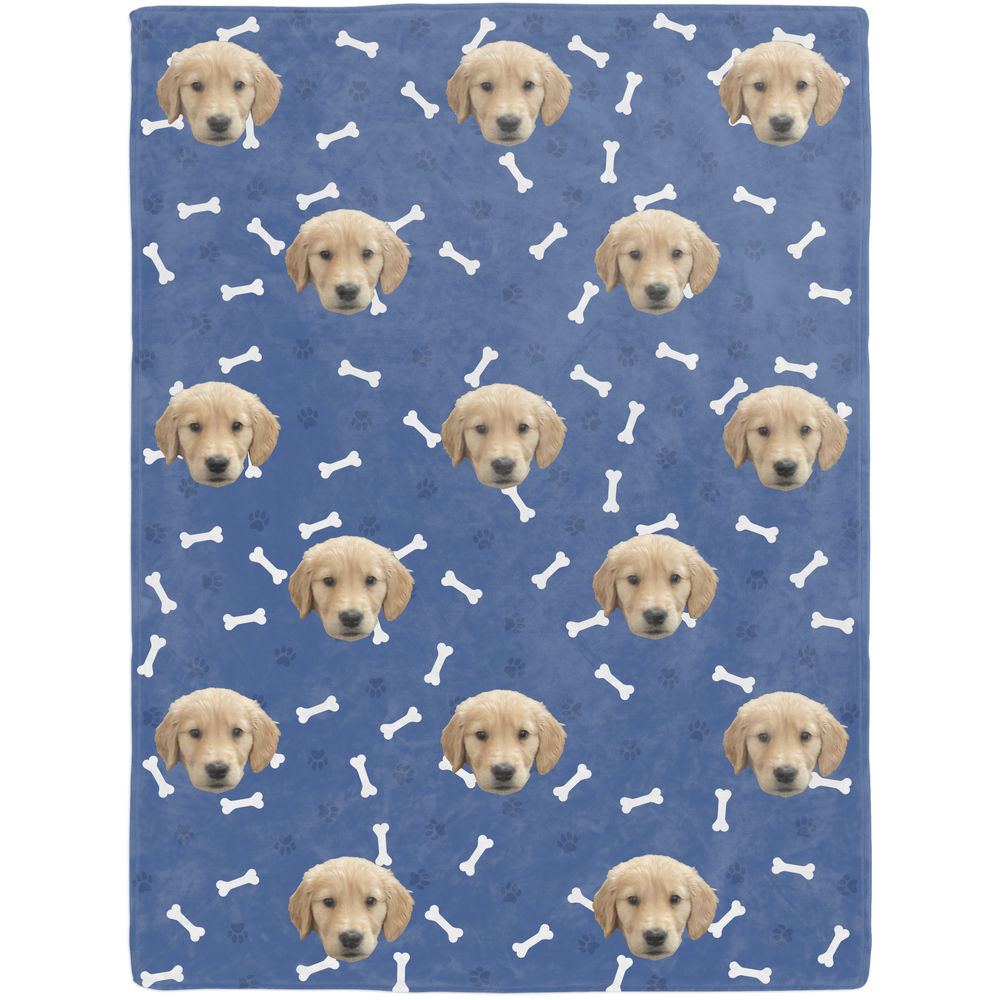
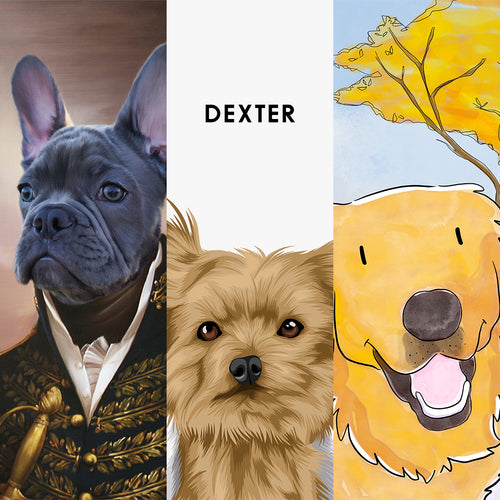
After spending all that extra time together, you may even find yourself wanting to spoil your pup a little more. From funny costumes to custom pet portraits, dog parents are always finding new ways to celebrate their favorite furry family members. Honestly, keeping up with pet industry trends can be half the fun of having a dog in the first place.
At the end of the day, though, your dog probably isn’t worried about what’s trending online. They just want your attention, a little playtime, and maybe a treat or two along the way. And if a rainy afternoon indoors turns into zoomies, belly laughs, and puppy snuggles, we’d call that a pretty successful day.
Frequently Asked Questions
1. What are the best indoor games to tire out a dog?
Some of the best indoor games to tire out a dog include hide-and-seek, tug-of-war, hallway fetch, treat hunts, and simple obstacle courses. These games help your dog burn energy while also using their brain, which can be especially helpful on rainy, cold, or busy days.
2. How can I mentally stimulate my dog indoors?
You can mentally stimulate your dog indoors with scent games, puzzle toys, snuffle mats, the three-cup game, and “find the toy” activities. Dogs love using their nose, so hiding treats around the room is one of the easiest ways to keep them focused and entertained.
3. What indoor games are best for puppies?
The best indoor games for puppies are short, simple, and reward-based. Try name recognition games, mini treat hunts, room-to-room recall, “find your toy,” and basic sit-and-stay practice with praise or treats.
4. Can indoor games replace a walk for dogs?
Indoor games can help your dog burn energy and stay mentally engaged when outdoor walks are not possible, but they should not fully replace regular walks long-term. Walks still give dogs fresh air, new smells, social exposure, and physical movement that indoor games cannot completely match.
