














 Reviews
 My Account
 Contact Us
 Help
Help
How to Create a Comfortable Space for Your Pet
Pets thrive when they have a place that feels familiar and calm. A dedicated area gives them room to relax, play, and settle into daily routines without constant disruption. Thoughtful design supports better rest, easier transitions between activity and downtime, and a stronger sense of comfort at home.
In this guide, our team at Crown & Paw will walk you through practical ways to shape pet spaces that fit real homes, whether you’re working with a single corner or an entire room designed around your pet’s needs.
Understanding Your Pet’s Needs First
Before choosing décor or furniture, take time to notice how your dog already uses your home. Dogs rely heavily on routine, scent, and familiarity. Some prefer staying close to their people, while others retreat to quieter spots when they need rest.
Age, size, and personality all play a role. Puppies need easy-to-clean surfaces and space to move. Older dogs often gravitate toward warm, quiet areas with extra cushioning. Understanding these habits makes creating a space for your dog feel natural rather than forced.
Choosing the Right Location at Home
The location of your dog’s area sets the tone for how comfortable it feels. Some dogs thrive in shared areas, while others need distance from noise and foot traffic.
A dog living room setup works well for dogs who want to stay near family activity. Quiet bedrooms, dens, or corners of a home office may be better for dogs who startle easily. Wherever the space is located, it should feel predictable and easy for your dog to access.
Well-planned dog-friendly spaces blend into your home while still giving your dog a sense of ownership.

Give Your Pet Somewhere to Rest Without Disturbance
Every dog needs a comfortable, dry, clean, and quiet place to rest. Cold or damp areas can make dogs uncomfortable and even lead to illness, so placement matters just as much as the bed itself.
A good resting spot should include:
-
A supportive bed or crate sized for your dog
-
Placement away from drafts, doors, and loud appliances
-
Soft, washable blankets with familiar scents
-
A rug or mat to reduce contact with cold floors
This resting area often becomes the foundation of creating a safe space for your dog, especially when it remains undisturbed throughout the day.
Toilet Access and Predictable Routines
Dogs need regular opportunities to go to the toilet, typically every few hours. While this happens outdoors, your indoor setup can still support consistency.
Keep exits easy to reach and store walking gear close by. Clear paths help dogs understand where to go and reduce stress around bathroom breaks. Puppies and senior dogs especially benefit from short, familiar routes that don’t change often.
A Safe Space for Your Pet to Retreat to When Needed
Dogs need a place to escape when something scares them. Loud noises, visitors, other pets, or sudden changes can feel overwhelming. A safe hiding spot allows your dog to calm themselves without interference.
We suggest safe spaces such as:
-
Covered beds or crates with the door left open
-
Quiet corners away from foot traffic
-
Familiar bedding and toys
-
Low lighting and reduced noise
This area should always be available and never used for punishment. Over time, it becomes part of creating a safe space for your dog that your pet chooses on their own.
Homes With More Than One Dog
Multi-dog households need extra planning to prevent tension. Dogs can become competitive if they feel resources are limited or shared too closely.
When creating a safe space for your dog, make sure that they each have:
-
Their own bed
-
Separate toys
-
Individual feeding areas
-
More than one retreat space
Providing enough room and resources helps shared pet spaces feel calmer and more predictable for everyone.
Keeping Your Dog’s Space Hazard-Free
Dogs are curious by nature and can get into unsafe situations when left alone. A secure environment helps prevent accidents and injuries.
Simple safety checks include:
-
Securing cords and loose wires
-
Removing small décor items that can be chewed
-
Choosing non-toxic plants
-
Storing cleaning products out of reach
-
Blocking off unsafe rooms with gates
Regularly scanning your dog’s area for worn toys or loose parts helps keep the space safe over time.
Storage That Keeps Things Calm and Organized
Clutter can make a space feel chaotic. Simple storage keeps toys, leashes, and grooming tools accessible without piling up.
Low baskets, bins, or wall hooks work well and keep floors clear. Clean layouts support calmer behavior and make pet space ideas easier to maintain long-term.
Decorating With Personality, Not Clutter
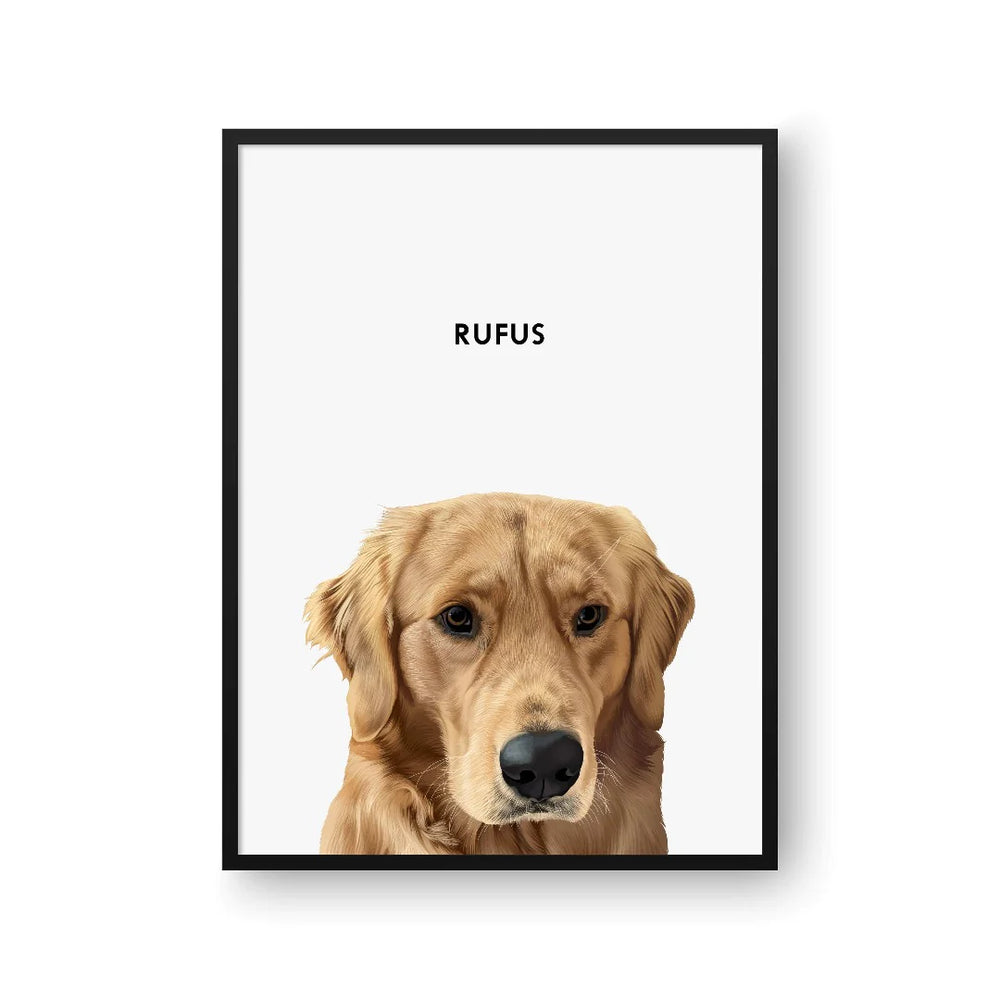
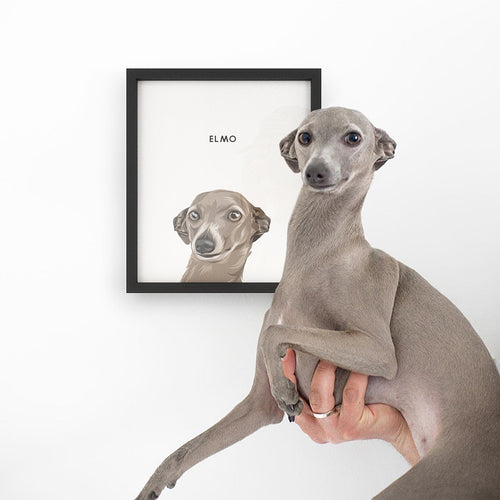
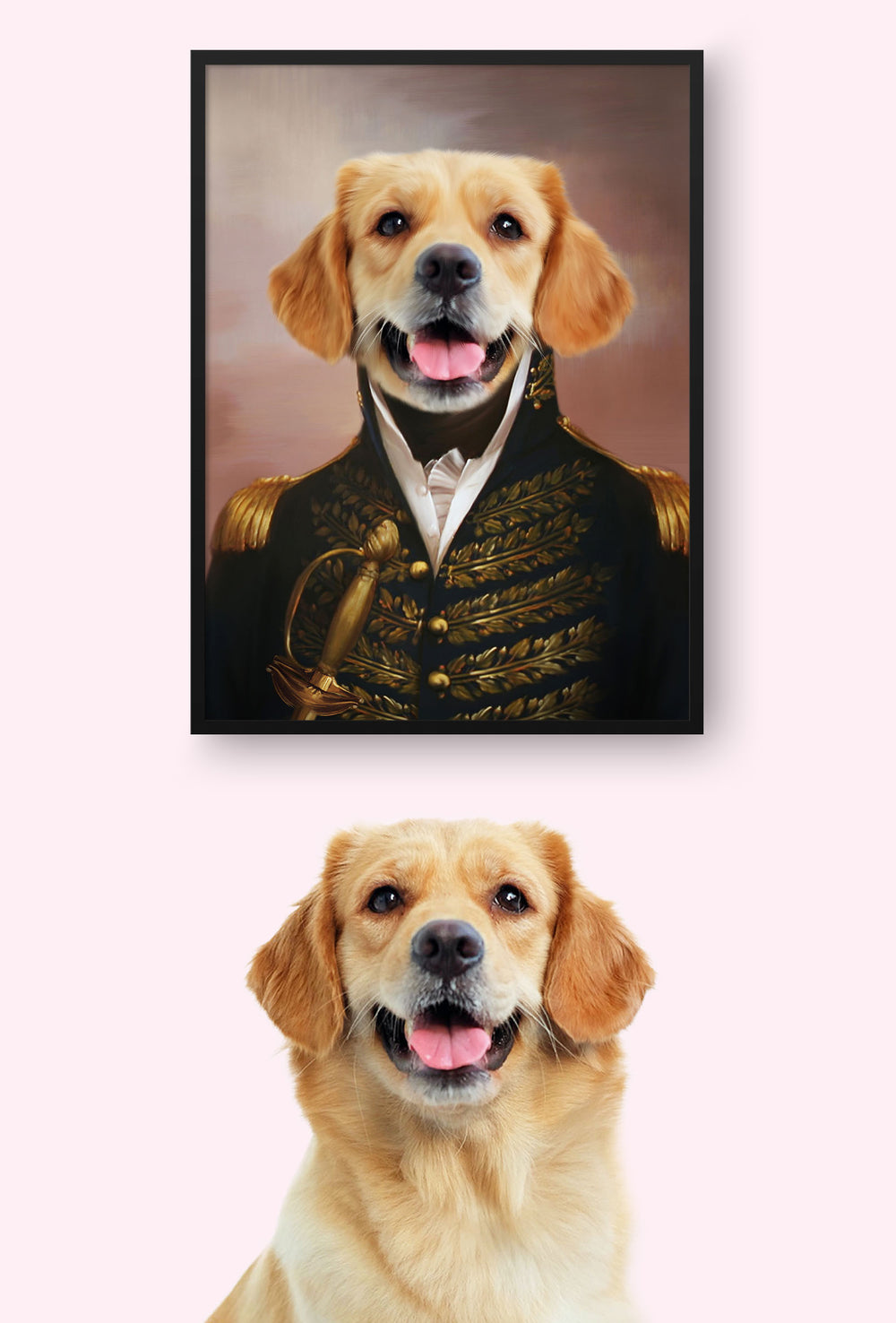
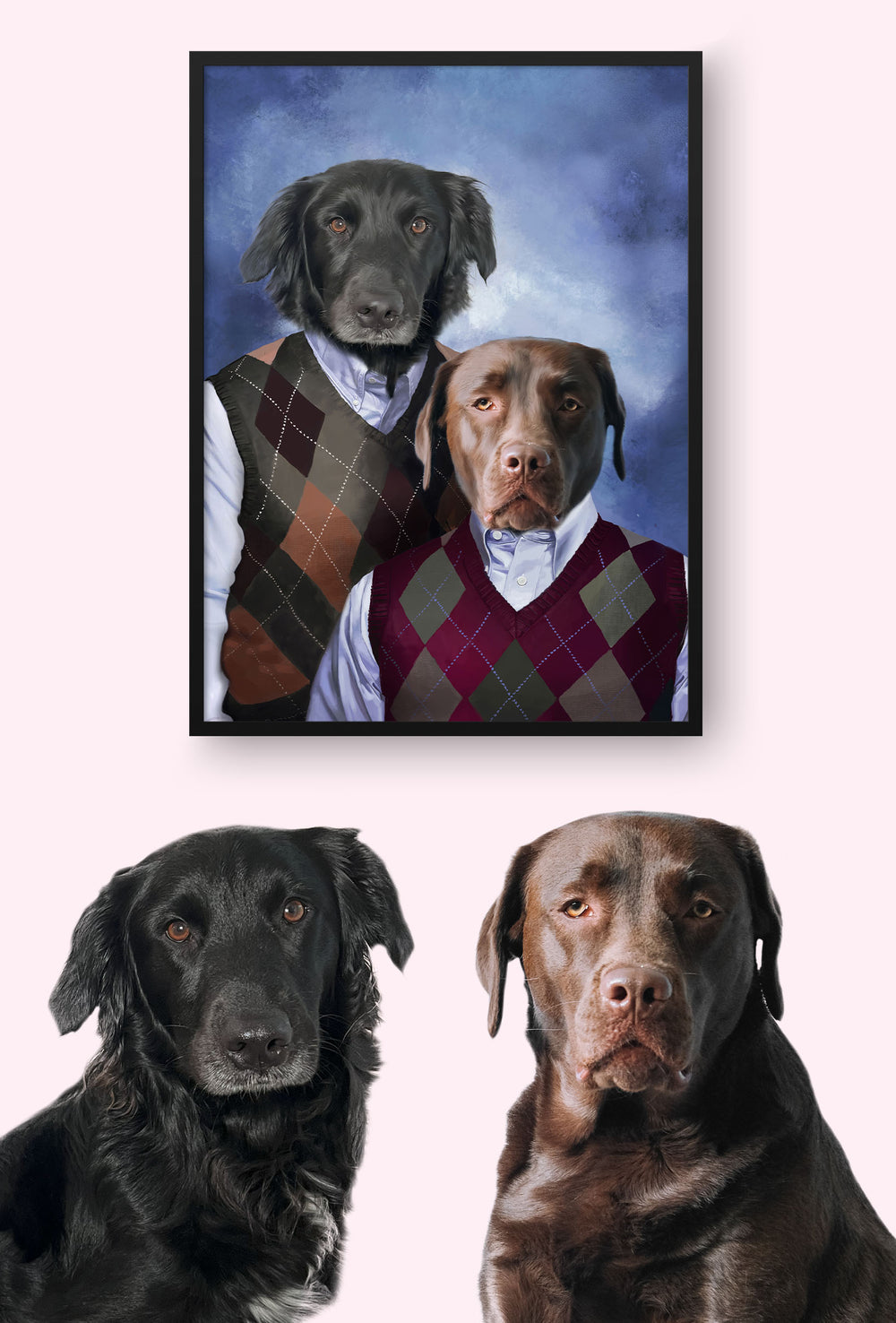
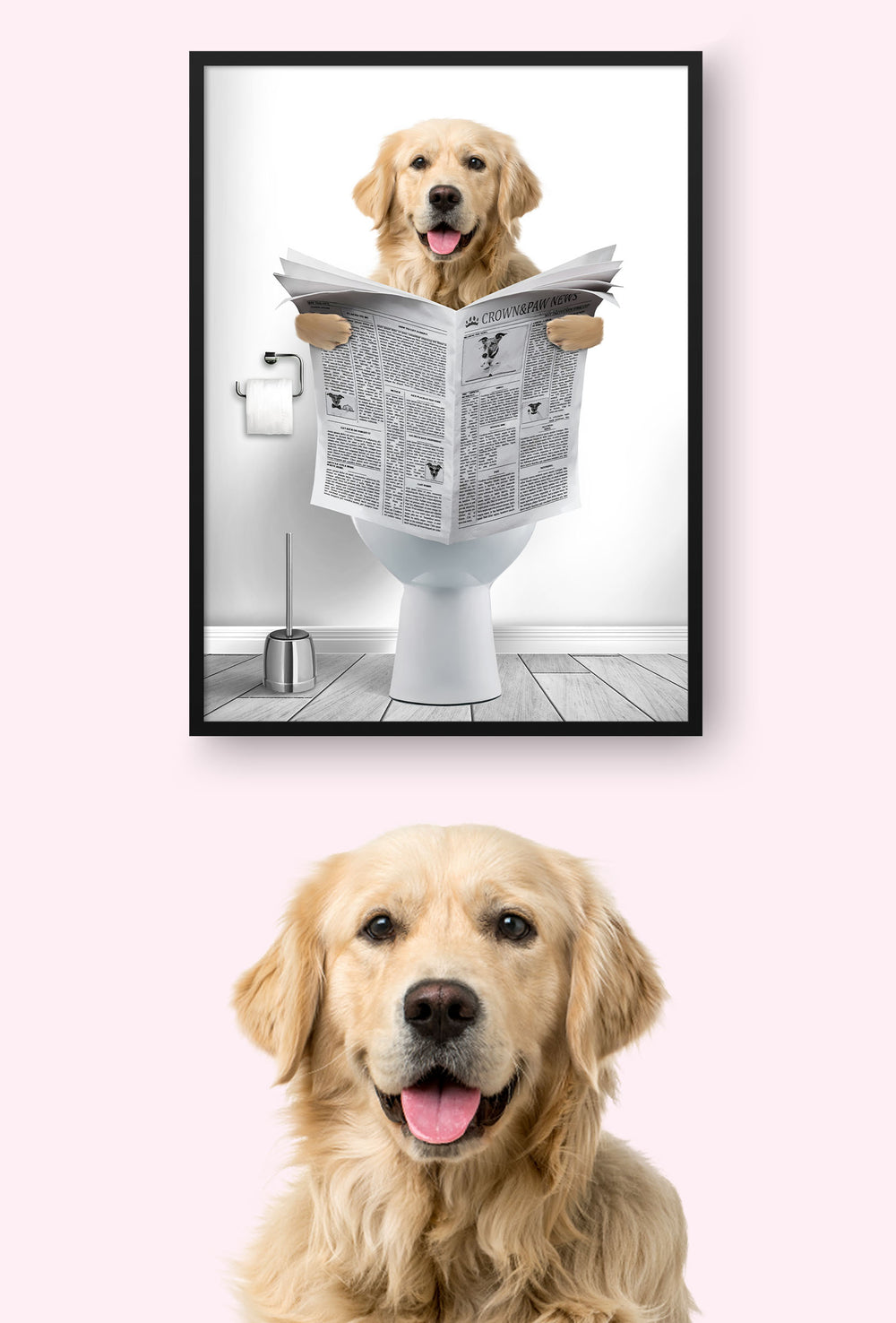
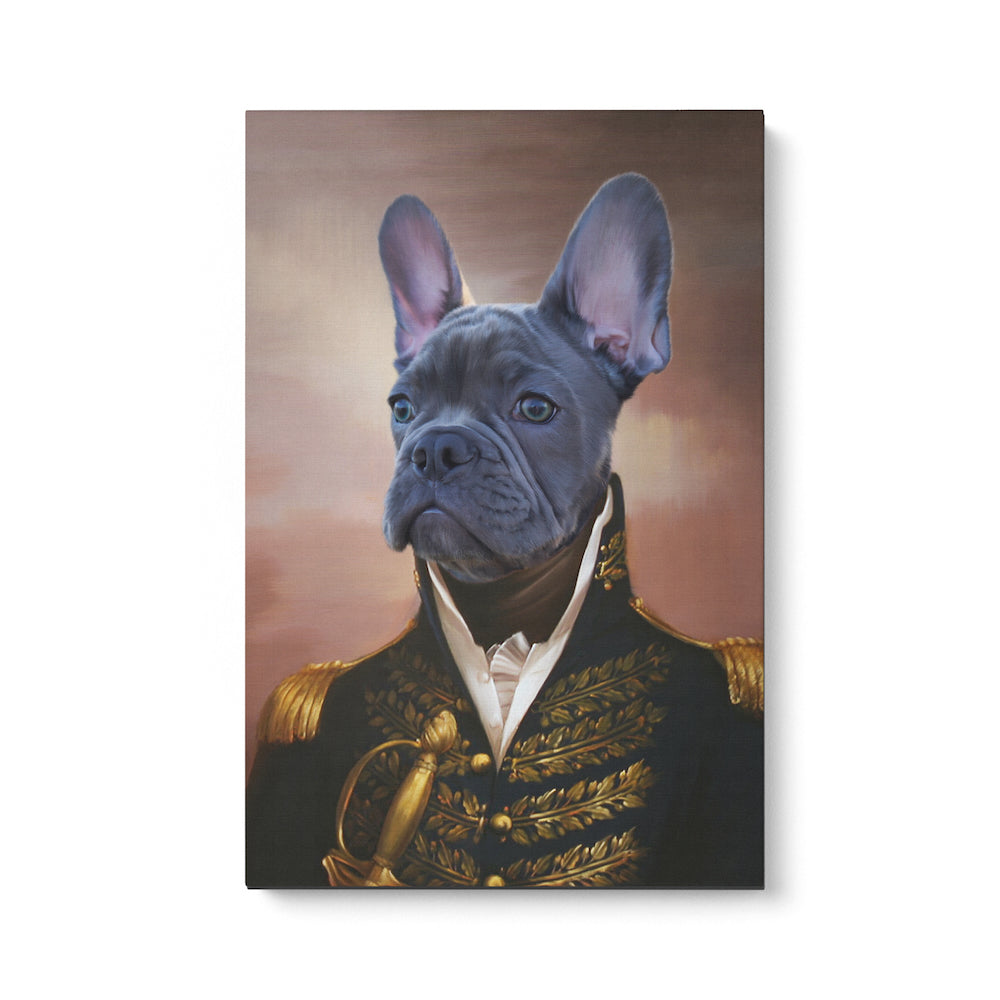
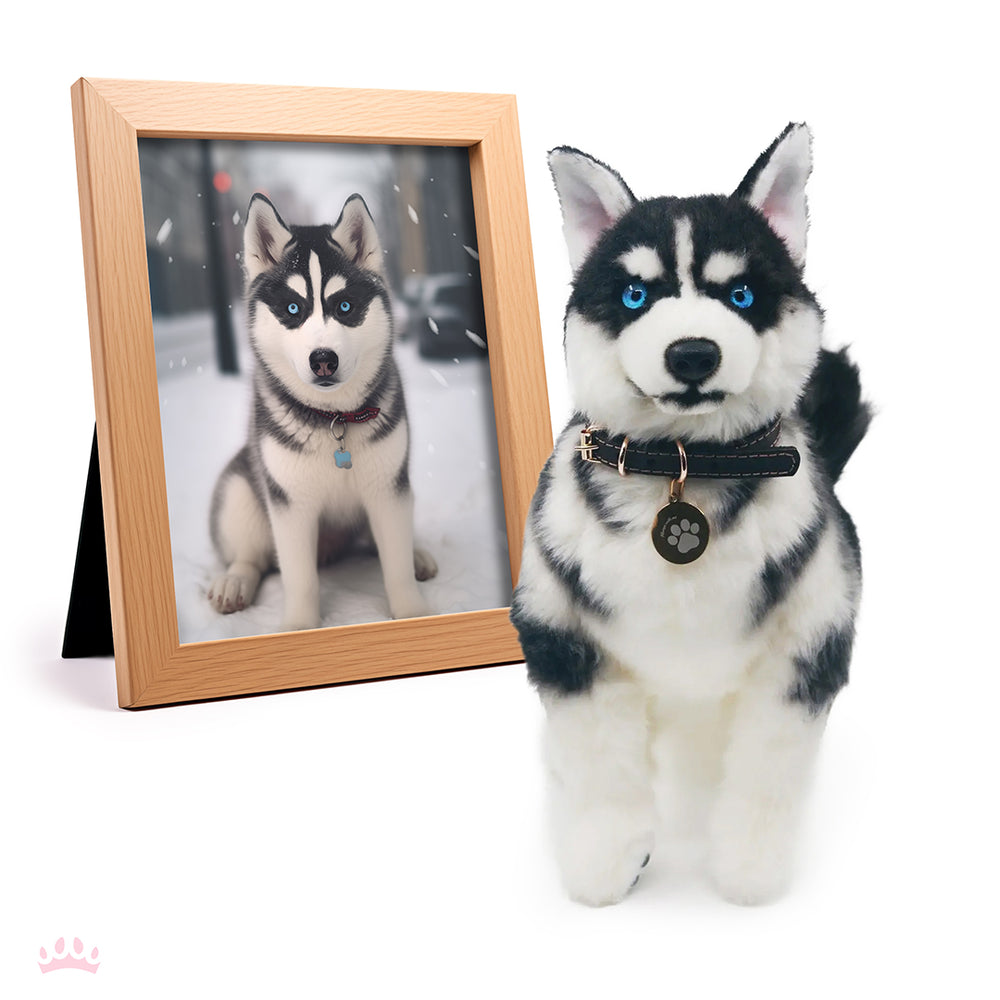
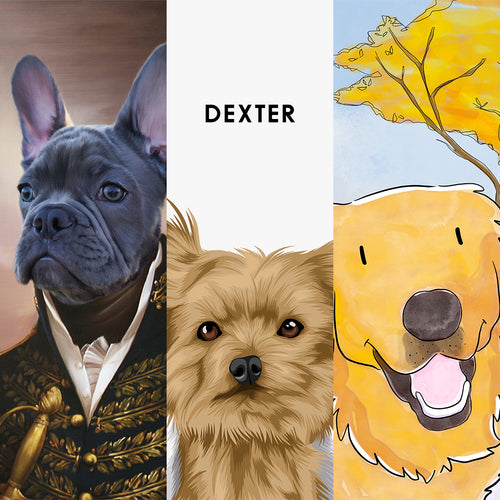
Decor can bring warmth to your dog’s area without overwhelming it when choices stay simple and intentional. Neutral tones, soft textures, and uncluttered wall space help the area feel calm and welcoming. Thoughtful pet room ideas focus on a few meaningful pieces rather than filling every surface with décor. A framed pet portrait from Crown & Paw adds a personal touch while still blending naturally with the rest of your home.
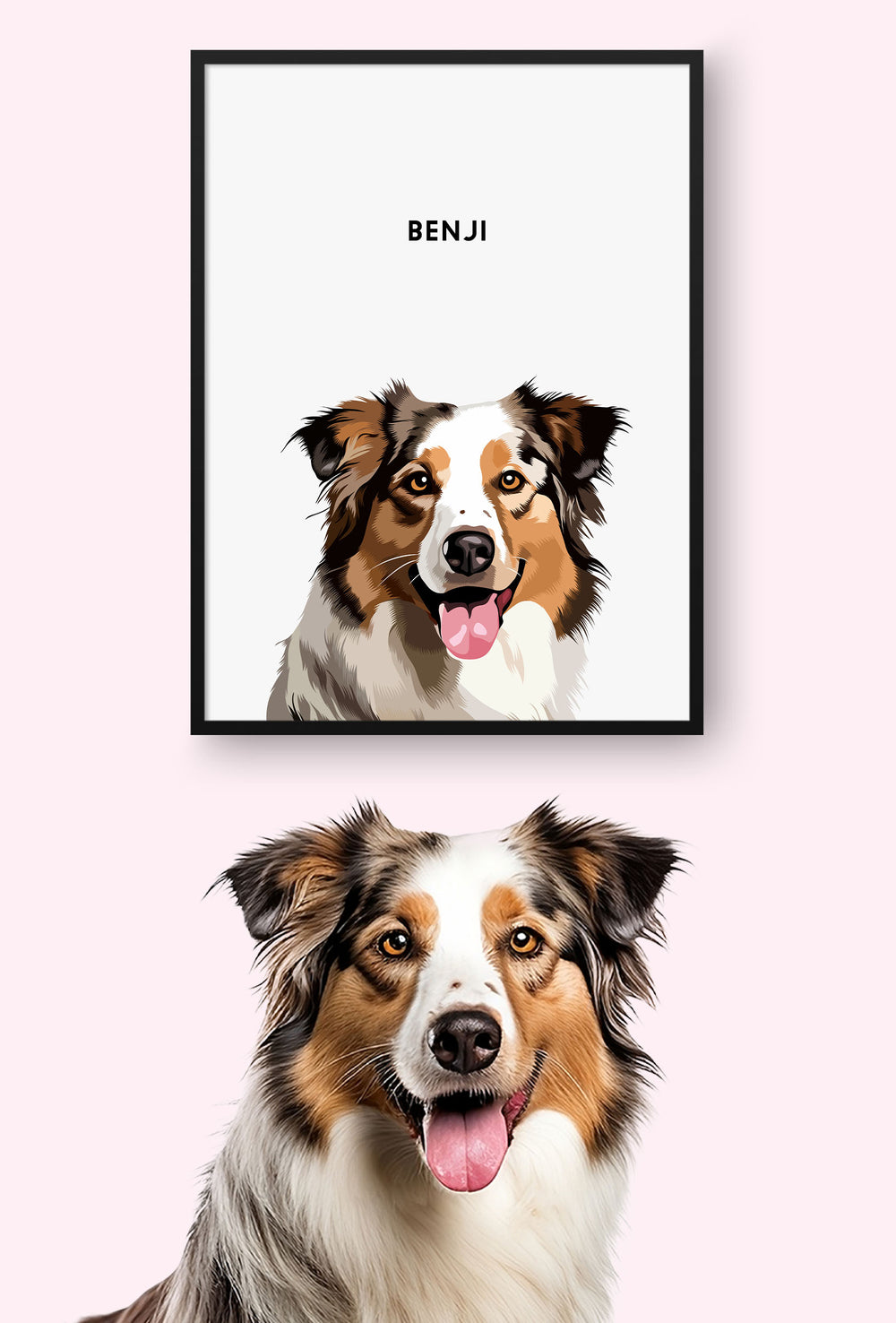
For shared spaces or more updated interiors, modern pet portraits work especially well, pairing clean lines with a playful nod to your dog’s personality. By keeping décor limited and purposeful, the space feels comfortable, polished, and easy to live with day after day.
Pet Room Ideas for Dedicated Spaces
If your home allows for it, a dedicated pet room can make daily care feel more organized and less rushed. These spaces often include clear zones for sleeping, feeding, and play, which helps dogs settle into predictable routines. Washable floors, wall hooks for leashes, and built-in storage keep everything easy to manage without clutter.
Thoughtful ideas also leave room for personal touches, such as a pet canvas on the wall, which adds warmth without taking up floor space. This setup works especially well for active dogs or households with more than one pet, giving everyone room to spread out.
Dog Room Decor Ideas That Still Feel Like Home
The best dog room decor ideas feel like a natural extension of your home rather than a themed space set apart. Start with colors and materials that already exist nearby so the room feels connected, not separate. Soft textiles, simple wall art, and flexible décor pieces allow the space to change as your dog grows or routines shift.
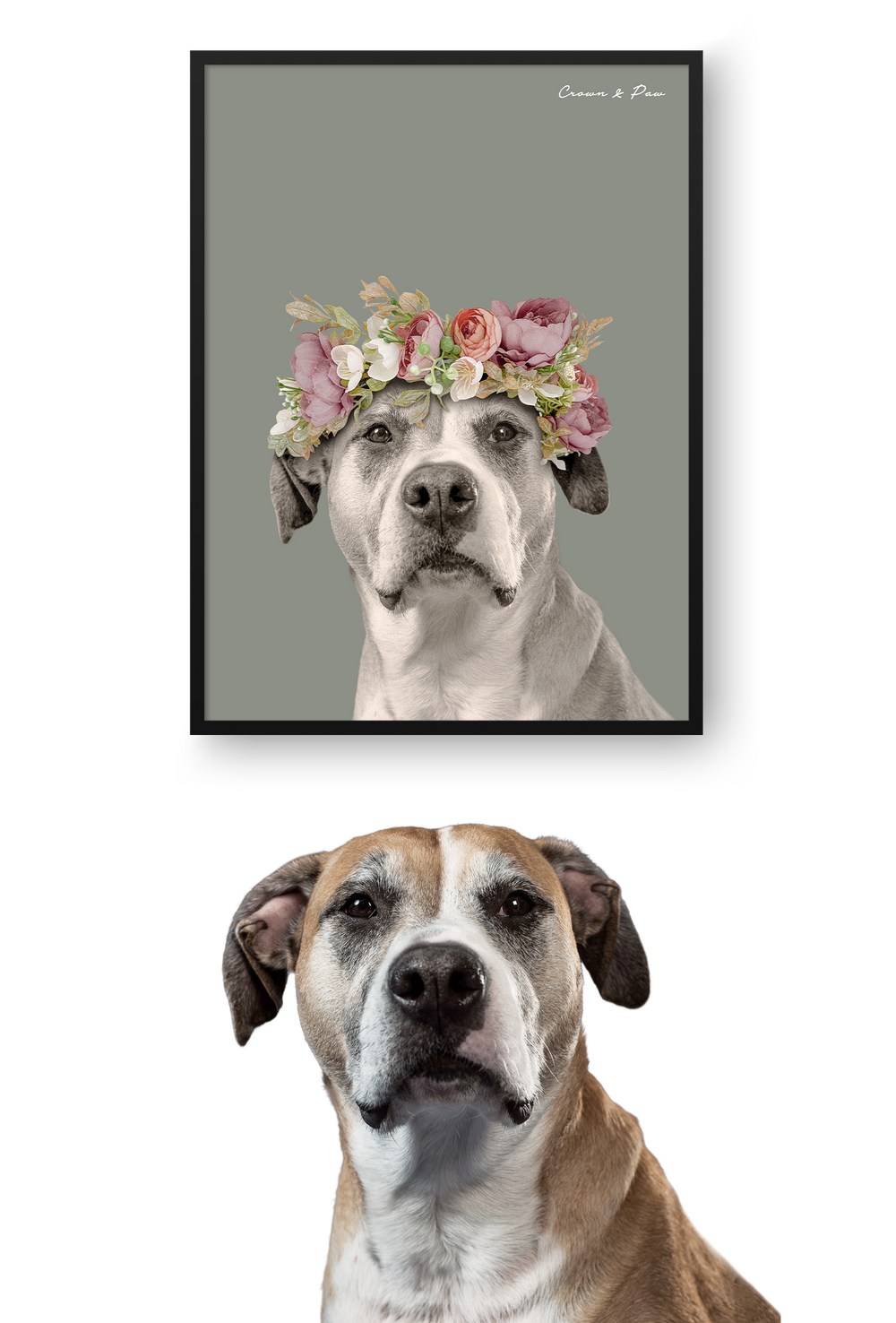
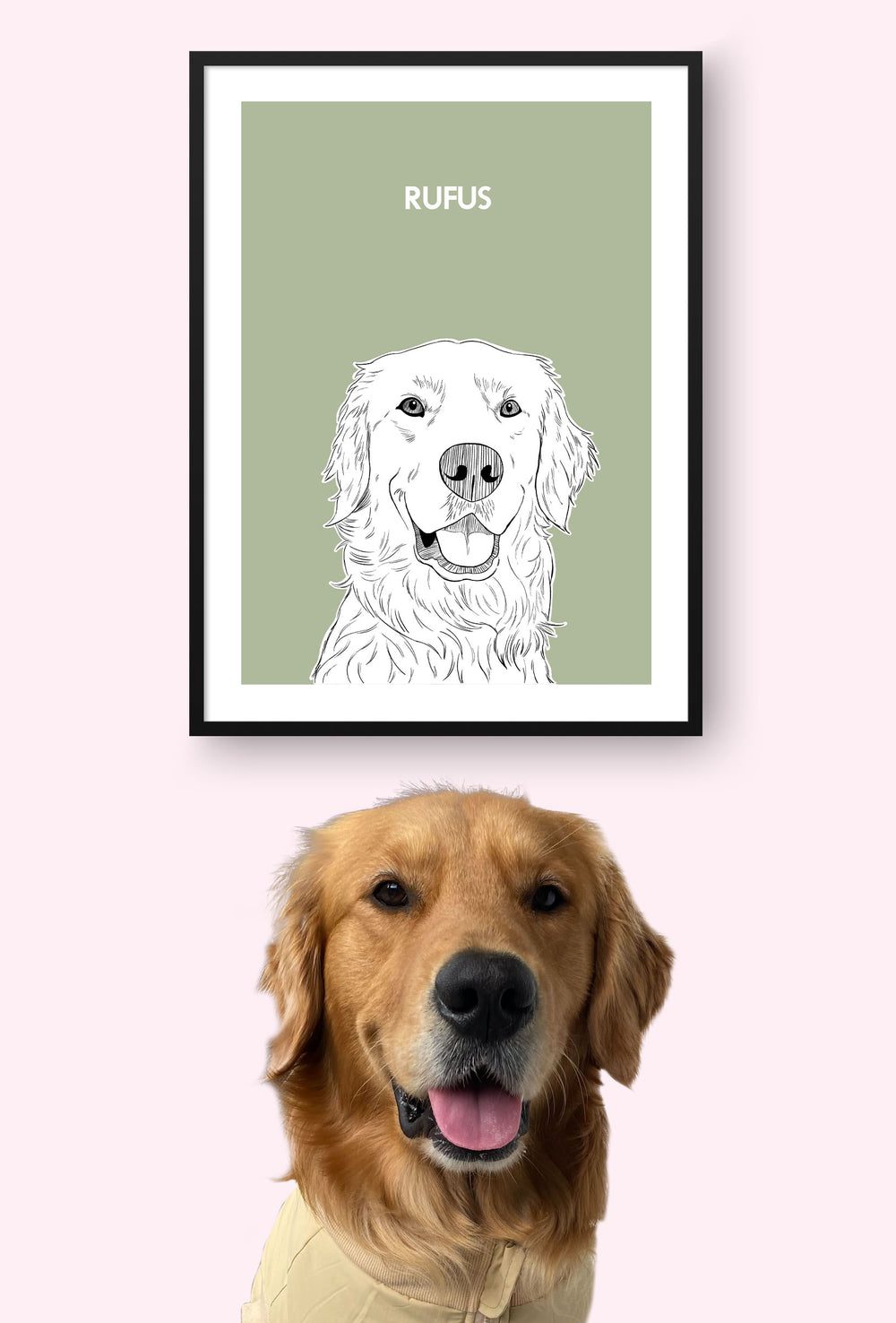
A custom pet poster is an easy way to add personality without committing to heavy or permanent décor, making updates simple over time. Thoughtful dog room decor ideas balance comfort and style, giving your dog a welcoming place that still feels right at home for the people sharing the space.
Comfort That Grows With Your Dog
A comfortable space supports your dog’s physical and emotional needs every day. From rest and routine to safety and retreat, thoughtful spaces help dogs feel secure at every stage of life. With small, intentional choices, your home can support your dog’s well-being while still reflecting your personal style.
Frequently Asked Questions
1. Where should I set up my pet’s comfort space at home?
Choose a quiet, low-traffic area away from drafts, loud appliances, and constant foot traffic so your pet can rest without feeling disturbed.
2. What should I include in a comfortable space for my pet?
A cosy bed or crate, soft blankets, fresh water, favourite toys, and a few familiar scents usually help create a calm and secure space.
3. How can I make my home more pet-friendly without a full redesign?
Small updates like washable rugs, scratch-resistant flooring, organised storage, and a dedicated resting corner can make a big difference.
4. How do I know if my pet feels comfortable in their space?
Signs usually include relaxing there regularly, sleeping well, returning to the area on their own, and showing fewer signs of stress or avoidance. This matches the article’s focus on giving pets a safe, quiet place to rest.
