



















 Reviews
 My Account
 Contact Us
 Help
Help
Training Tips for Dogs: A Complete Puppy Training Guide for Beginners
There’s nothing quite like bringing home a new puppy. It’s a time full of love, snuggles, and lots of play. But bringing home a new pet also comes with some big responsibilities, and that includes puppy training. And the reality? Puppy training takes time, diligence, and perseverance.
That said, just because it takes time, training your pup doesn’t have to be unenjoyable. In fact, when you follow our training tips for dogs, you’ll find it highly satisfying and well worth the investment.
Why Puppy Training Matters (and When to Start)
So here’s the question: do you really need to train your puppy? The answer is no, of course not. But we don’t recommend taking that path. Without guidance, puppies will happily make their own rules, and that can lead to habits that are hard to break later.
Early training helps shape behavior in a positive way while your puppy is still learning how the world works. It also keeps them safe, since basic dog training commands like “come” or “leave it” can prevent risky situations. Just as important, training builds trust and strengthens the bond between you and your pup.
The best time to start is around 7 to 8 weeks of age or as soon as you bring them home. Keep in mind, their attention span is short, so quick, playful sessions work best. These early puppy training tips set the tone for everything that follows and make learning feel like a game rather than a chore. For anyone looking for dog training tips for beginners, starting early makes a big difference.
Here are some signs that your new pup is ready to start learning.
-
Curious about everything
-
Responds to your voice
-
Follows you from room to room
-
Shows excitement during play
Start with Basic Comments that Every Puppy Should Learn
Many pet owners wonder where to start when it comes to the best dog training techniques. Pet training experts will tell you that it’s best to start with some foundational training which includes some basic commands. You know the ones: sit, stay, come, and leave it (yes, fetch will come, but let’s leave that one for later). And be sure to keep in mind that short sessions, lots of repetition, and plenty of encouragement will work best.
The foundation of training should be based on positive reinforcement. This means rewarding your puppy when they do the right thing, usually with small treats, praise, or a favorite toy. For example, say “sit,” gently guide them if needed, and reward them the moment they get it right. Over time, they connect the action with something they value.
It’s not about bribing, but teaching through consistency. Avoid punishment like yelling or leash corrections, which can confuse your puppy. They are learning everything for the first time, so patience and clear guidance make all the difference.
Fun and Simple Puppy Training Tips that Really Work
There are a lot of different approaches to training overall, but there are some tried and true principles that work almost every time. Here are some best practices to help make sure you are taking the right approach and that your dog responds favorably. If you follow this puppy training guide, you’ll start to notice that small, consistent actions lead to big results.
-
Positive reinforcement: Reward the behavior you want to see again. When your puppy sits on command, offer a small treat, a cheerful “good job,” or even a quick belly rub.
-
Treat timing: Timing matters. Give the reward right when your puppy performs the action so they connect the behavior with the reward. Waiting too long can confuse them.
-
Consistency: Use the same words and expectations every time. If “sit” sometimes means sit and other times means lie down, your puppy won’t know what to do.
-
Turning playtime into training: Use toys and games to teach. Toss a toy and practice “come” when they bring it back, or pause play to ask for a quick “sit” before continuing.
Common Mistakes Beginners Make (And How to Avoid Them)
Let’s be honest. When you bring home one of the cutest dog breeds, it’s very easy to let things slide. Those puppy eyes? Dangerous. Suddenly, jumping, nibbling, and ignoring commands all seem kind of adorable. But those “cute” habits grow up fast.
One common mistake is expecting too much too soon. Puppies are learning everything from scratch, so keep training sessions short and celebrate small wins. Another issue is inconsistency. If jumping is okay sometimes but not at other times, your puppy will stay confused. Pick a rule and stick with it.
Then there’s accidental reinforcement. Laughing when your puppy steals a sock or giving attention when they bark can actually encourage the behavior. Instead, redirect them to something appropriate and reward that behavior instead.
Skipping socialization is another big one. Puppies need early exposure to people, sounds, and new environments. Start small, keep it positive, and build from there.
At the end of the day, patience and a little self-awareness go a long way.
Build a Routine Your Puppy Will Love
Just like kids, dogs thrive on routines, especially puppies. And think about it from the perspective of an adult. Isn’t it refreshing to know what is expected of you and to know what to expect?
A simple daily schedule helps your puppy feel more secure and ready to learn. Feeding times, potty breaks, playtime, and short training sessions should happen around the same time each day. This puppy training guide approach creates a rhythm your pup can rely on and makes learning feel natural instead of random.
You can also weave basic dog training commands into everyday moments. Ask for a “sit” before meals, a “stay” before heading outside, or a “come” during play. This builds repetition without making training feel repetitive or boring.
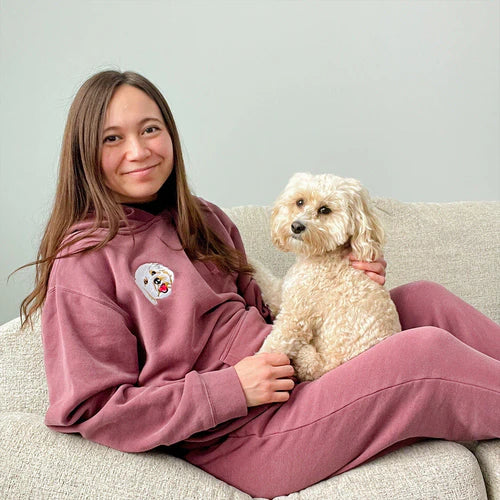
No matter what you do, keep things fun. Whether it’s a quick game, a favorite toy, or even showing off your matching dog and owner outfits, training becomes part of your daily life. The more natural it feels, the more your puppy will enjoy learning right alongside you.
Building Habits that Will Last Your Dog’s Lifetime
Raising and caring for your puppy is one of those experiences that’s equal parts chaos and joy. There will be moments that test your patience, but there will also be plenty that make you laugh, smile, and reach for your camera. Progress doesn’t happen overnight, and that’s okay. Every small win adds up.
Training is about more than commands. It’s about building trust, creating routines, and forming habits that will stick for years to come. The time you spend teaching, playing, and learning together shapes the relationship you’ll share long after the puppy phase has passed and your dog has entered adulthood.
And one day, those early memories, from clumsy “sits” to playful zoomies, may even inspire keepsakes like pet portraits that capture who they were at the start. As pet industry trends continue to celebrate the bond between people and their pets, one thing remains the same: the love you build now lasts a lifetime. And it all starts with some well-thought-out puppy training.
Frequently Asked Questions
1. When should I start training my puppy?
You can start basic training as early as 8 weeks old, focusing on simple commands and routines.
2. What is the best method for training a puppy?
Positive reinforcement, such as treats and praise, is the most effective and recommended training method.
3. How long does it take to train a puppy?
Basic training can take a few weeks, but consistent training and reinforcement are needed for long-term behavior.
4. What are the first commands to teach a puppy?
Start with essential commands like sit, stay, come, and leave it.
